
By: Usman Mehmood
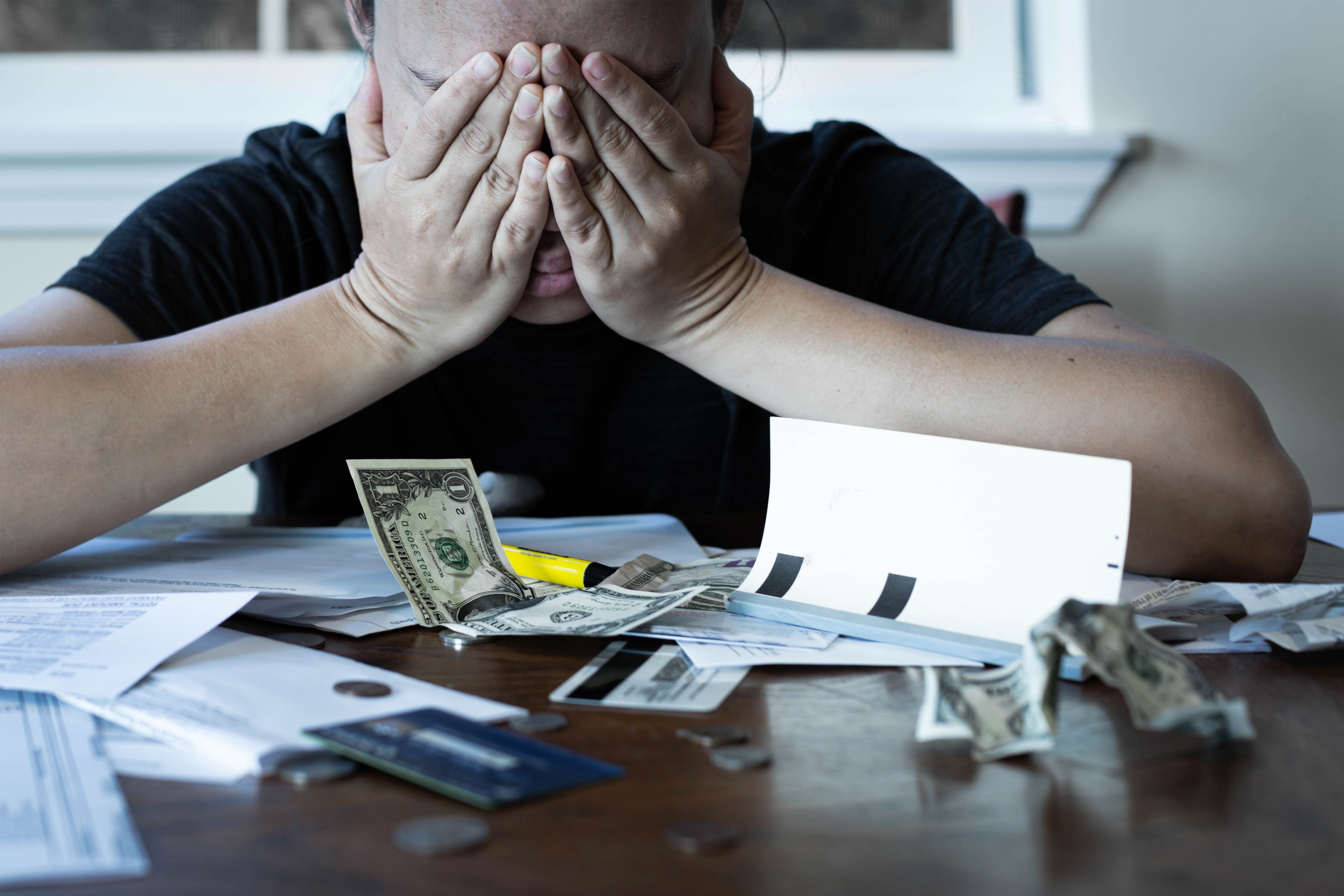
There is a certain type of silence after economic anxiety. It appears in the middle of the night, when no one can hear, yet you know what to think. You start to reason, re-reason, and find out every decision; what you used to spend, what you saved, and what you will not have tomorrow. This is money anxiety, and to many individuals, it is not merely about money. It is a very emotional, overwhelming and strongly relatable situation to the well-being of our minds.
Financial stress will slip into daily life. It begins in an insidious manner, with indecisiveness before buying a product. It can be a lingering feeling of guilt after spending money or being in constant comparison with others. It may eventually develop into persistent anxiety. You may check your bank balance several times a day, or you may even avoid talking about money. This is an indicator that your mental health is being impacted.
Money anxiety is an uncertain feeling of control. The feeling of insecurity which arises due to the instability of finances can cause stress responses, like any other anxiety. The brain views financial threat as a real danger and it triggers a loop of worry that may result in sleep problems, irritability, headaches and fatigue. It is more difficult to concentrate, more difficult to relax, and more difficult to be present.
The invisibility of money anxiety is also what makes it a difficult phenomenon to counter. Unlike other stress factors, financial struggles can be a secret. Social expectations and stigma may cause one to find it hard to open up, and such individuals are found to suffer in silence. This alienation further increases the emotional weight, and it becomes heavier than it is.
However, the relationship between money and mental health is not a one-way relationship. The same way financial stress may change your mood, may also influence the way you spend money. Anxiety can also be avoided, bills ignored, decisions postponed or overspent as a means of coping with emotions. It turns into a vicious cycle in which stress incites behavior and which behavior strengthens stress.
To end this cycle, it is necessary to change your point of view. It does not mean that one will get the perfect financial tune within a short time but instead develop a healthier relationship with money. Small actions with purpose may go a long way. Uncertainty can be minimized by creating a simple budget, creating realistic goals or achieving an understanding of your financial situation. Fear of the unknown starts to pass once you are aware of where you are.
It is also crucial to take care of the emotional side of money. Having a conversation with a friend, a relative, or someone you trust about your financial stress may help relieve your anxiety. You understand that you are not only alone, but there are other individuals who are going through the same challenges though they do not discuss them openly.
Even mindfulness can be of help. Rather than letting the thoughts about money get out of control, simply being in the present moment can lessen anxiety. Ask yourself, what can I do today? The solution is often so much easier than the fears that control you.
It is true that money will never leave your life. It does not need to dominate your mind. This is because when you recognize money anxiety and deal with it both practically and emotionally, you establish some space of equilibrium. Within that moment, you start to shake off fear and become calm and controlled instead of stressed.