
By: Victoria H
With each generation, we have made significant strides in our abilities to care for our children. The collective efforts of mothers and medical providers have allowed us to provide an informed, structured environment to help any child flourish. April is Autism Awareness Month, which provides an opportunity to educate ourselves and recognize the needs of those who have Autism Spectrum Disorder (ASD). No matter where you are on your parenting journey, it is important to understand and know the signs of Autism to help better support yourself and others. With this knowledge, you can also make your home environment safer and more sensory friendly for every child.
Autism is best described on the Autism Speaks website as “a broad range of conditions characterized by challenges with social skills, repetitive behaviors, speech and nonverbal communication.” Often people think of the spectrum as linear, but the spectrum is actually more circular in that the diagnosed person could have any combination of symptoms with different levels of severity. Those with ASD have symptoms that range from barely detectable and maskable to those that are very apparent and require special assistance throughout different phases of their life.
Though the symptoms can vary dramatically, there are some common symptoms that indicate a child may be on the spectrum. AutismSpeaks.org defines them into 2 major categories: Challenges with socialization and having repetitive, restrictive behaviors. The early noticeable symptoms are:
• Limited eye contact or lack of response to their name by 9-12 months
• Delayed speech or lack of babbling by 12 months
• Repetitive behaviors such as hand-flapping, rocking, or spinning objects
• Preference for playing alone or difficulty engaging with others
• Unusual reactions to sensory stimuli, such as being overly sensitive to sounds or textures
If your child shows any of these symptoms, it’s important not to panic! Remember that every child develops differently, so contact their physician to see if an evaluation is necessary. Early intervention can make a huge impact on your child’s future development with ASD. The sooner you catch it, the sooner you can take advantage of the nutritionists, therapists, and support groups available.
Many other families navigate having a child with ASD successfully. Small changes and adjustments can help everyone thrive. Your home is a great place to start creating an accommodating space. With a few mindful adjustments, you can build a more sensory safe environment.
We have all experienced sensory overload. With the television blaring, toys going off, multiple conversations, and the clatter in the kitchen, the home
can be full of noise. This can be particularly harder to navigate when you have different sensory needs. Those with autism may experience sounds, lights, textures, or smells more intensely. Everyday items in the household, such as appliances, lighting, and crowded areas, can feel very overwhelming.
The home should be a place where children can regulate and decompress. Reducing sensory stimulation provides space for emotional comfort and daily routine. By limiting sensory stressors, we can support better focus, sleep, and relaxation. With these adjustments, everyone can benefit from a more sensory-friendly environment, not just the child!
Making these changes does not have to be expensive or complicated! In fact, creating a sensory-safe home can often be made with 4 simple adjustments:
1. Address the lighting
Replace blaring white overhead light with soft yellow lightbulbs. Allow natural light to flood the room whenever possible to help balance natural circadian rhythms. Lamps and dimmers also are a great way to control the lighting in each room.
2. Focusing on sound is also very important
Try to keep background noise at a controlled volume. Use noisy appliances routinely so they can be anticipated and allow preparation. Having soft rugs, curtains, or quiet play areas can also help absorb sound.
3. Create a calm corner for grounding and support
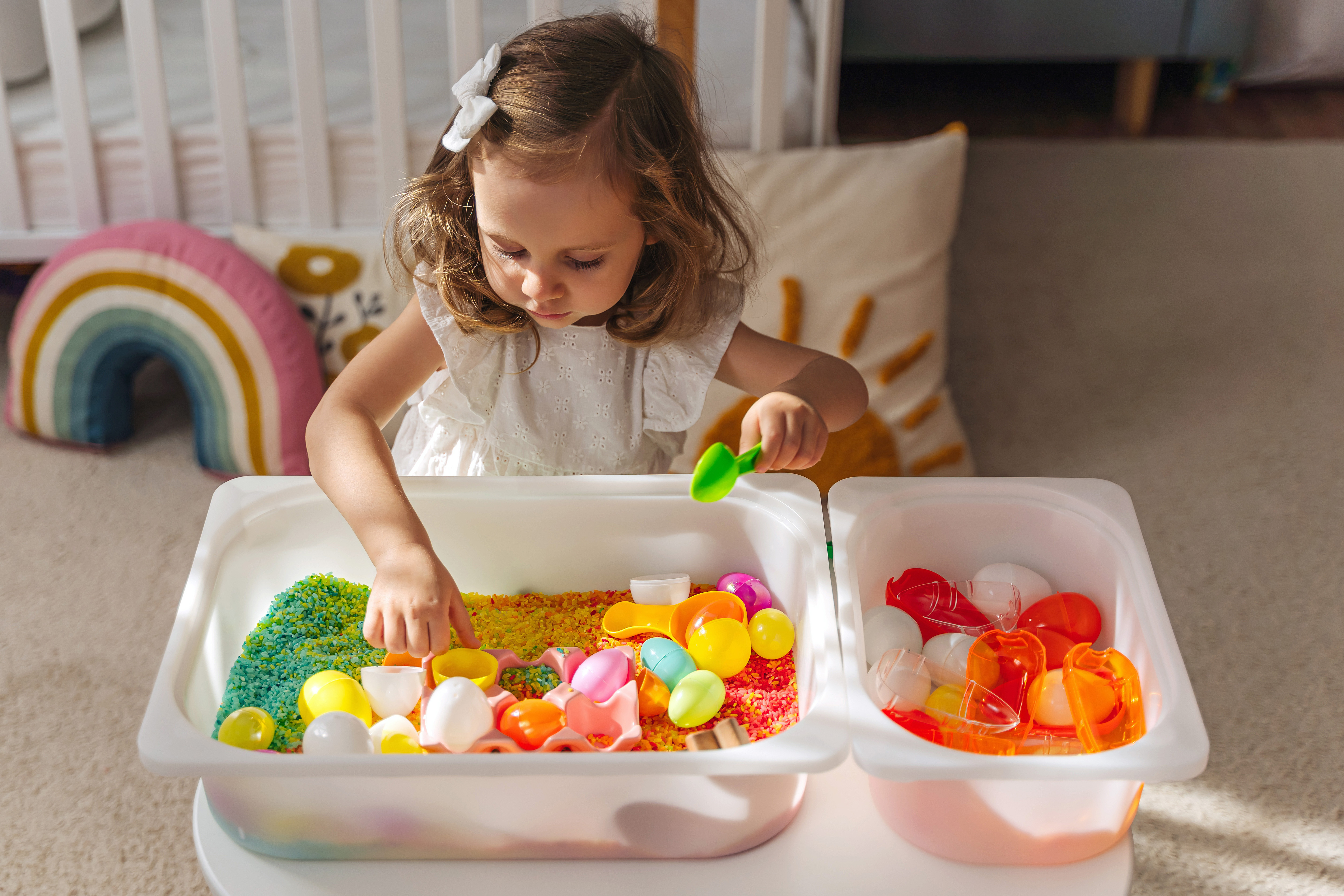
Include soft pillows, weighted blankets, favorite comfort items, or calming sensory toys. Having access to comfortable textures outside of the calming space wherever appropriate can also help.
4. Most importantly, stay organized
All children, with ASD or not, thrive in a predictable environment where toys and materials are stored in neat, consistent places.
As always, follow your child’s lead. There is no standard way to have the perfect home for you and your family. Every child is unique and experiences sensory input differently. Try and change things slowly and take note of what works best for your child. It doesn’t all have to happen at once. Small adjustments over time can make a huge difference.
Creating a safe, sensory environment is about paying attention to your family’s specific needs. By observing and making thoughtful adjustments, you can build a space where your child can feel understood, supported, and at ease. Every child is unique and special and deserves to feel safe and loved. Just know that you are doing great and are not alone!
Autismspeaks.org has multitudes of resources to connect you with physicians, other professionals, and resource guides for events and support within your community. For local support, The Buffalo Autism Project has events centered around those with autism and introduces people to the resources available in Buffalo, NY. Check out their Facebook and Instagram pages for more information.